


May 31, 2026
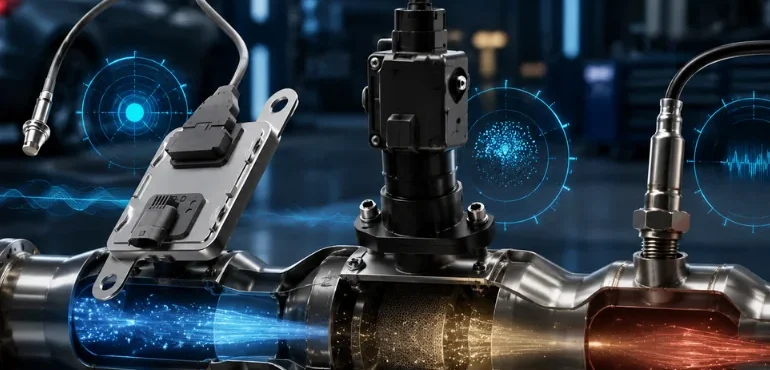
In modern automotive technologies, exhaust emission control is critical not only for complying with environmental standards but also for maintaining engine performance, improving fuel efficiency, and supporting the healthier operation of vehicle systems. At the center of this process are exhaust gas sensors. The NOx sensor, PM sensor, and oxygen sensor are three important sensor...
May 25, 2026
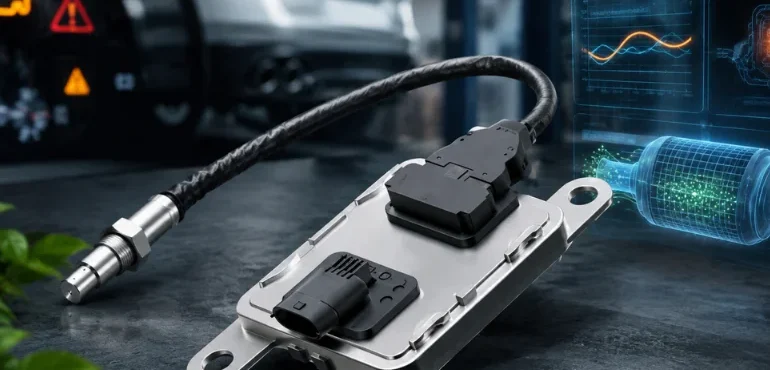
In modern vehicles, fuel consumption cannot be explained only by engine displacement, driving habits, or road conditions. Today, the engine control unit, exhaust emission system, SCR system, AdBlue dosing, DPF, EGR, and sensor technologies operate as an integrated system. When one of these systems fails to produce accurate data, the vehicle’s fuel efficiency, engine performance,...
May 15, 2026
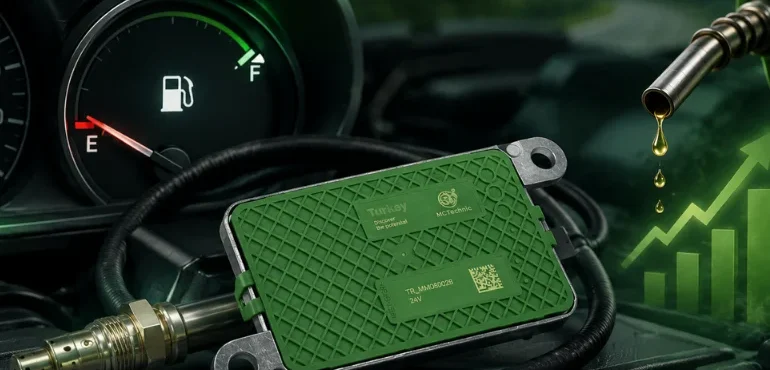
In modern vehicle technologies, emission control systems play a critical role in terms of engine performance and environmental standards. The NOx sensor, especially used in diesel-powered vehicles, measures the level of nitrogen oxides in exhaust gases and provides data to the vehicle’s emission management system. This data is highly important for the SCR system, AdBlue...
May 03, 2026
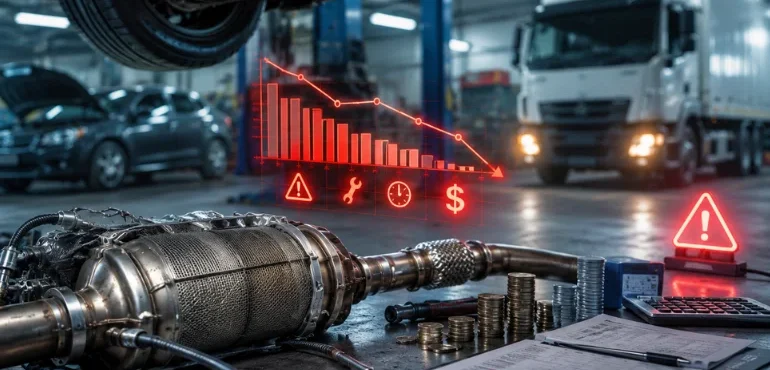
In the automotive industry, emission control technologies are critical not only for complying with environmental standards but also for maintaining vehicle performance, improving fuel efficiency, managing operating costs, and ensuring operational continuity. One of the most important components of these systems is the NOx sensor, which measures the level of nitrogen oxides in the exhaust...